
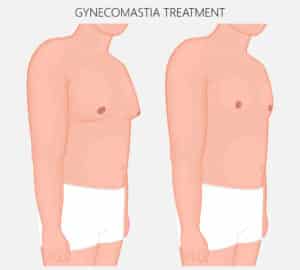
Gynecomastia, or enlargement of male breast tissue, can affect men of many ages and body types — including those who are otherwise healthy and physically fit. If you’ve noticed persistent fullness or swelling in your chest that doesn’t respond to exercise or weight loss, you may be dealing with true gynecomastia rather than simple fat accumulation.
At the Chicago practice of board-certified plastic surgeon Dr. Gregory Wiener, male breast reduction surgery is carefully planned to restore a flatter, more masculine chest contour while maintaining natural proportions.
The Role of Hormones
One of the most common causes of gynecomastia is a temporary or lasting imbalance between testosterone and estrogen. While estrogen is typically considered a female hormone, men also naturally produce small amounts of it. When estrogen levels become relatively higher than testosterone levels, even slightly, it can stimulate breast gland tissue to grow. This hormonal shift may occur during puberty, aging, or periods of stress on the body.
Genetics and Natural Body Chemistry
For many men, gynecomastia develops without any obvious external cause. Genetics and individual hormone sensitivity can influence how breast tissue responds to normal hormonal fluctuations. Some men simply have glandular tissue that is more reactive to estrogen signals, even when hormone levels fall within normal ranges. In these cases, the condition may persist for years regardless of diet or exercise habits.
Medications and Lifestyle Factors
Certain medications and lifestyle factors can also contribute to gynecomastia. Some prescription drugs used for heart conditions, anxiety, ulcers, or prostate issues may affect hormone balance. Alcohol use, marijuana, anabolic steroids, and some bodybuilding supplements have also been linked to the development of male breast tissue. Even herbal ingredients such as tea tree oil or lavender (found in some skincare products) may influence hormone activity in sensitive individuals.
When Surgery Becomes the Most Effective Solution
If gynecomastia persists after puberty or does not improve with lifestyle changes, surgical treatment may provide the most predictable correction. Male breast reduction typically involves removing glandular tissue, excess fat, or both to create a firmer chest contour. During your consultation, Dr. Wiener evaluates your anatomy, skin quality, and underlying causes to determine the most effective approach for long-term results.
Schedule Your Gynecomastia Consultation in Chicago
Gynecomastia surgery may help restore a more defined, masculine chest. Dr. Gregory Wiener provides experienced, individualized care for men seeking male breast reduction in Chicago. He is listed in the Guide to America’s Top Surgeons by the Consumers’ Research Council of America. To schedule a consultation, please contact our office at 773-763-3990.